
10 Reasons to Love Abstract Art
Abstract art often comes with a negative reputation. Most people don't see the value in it, the skills involved, and question whether people are just throwing things out there and calling it art. This may be true in some cases, but not all.
As I have introduced abstract art into my practice over the last few years, I have learned a great deal and found a depth within making abstracts that I didn't know could be there. Here are my top 10 reasons for loving abstract art, both viewing and creating.
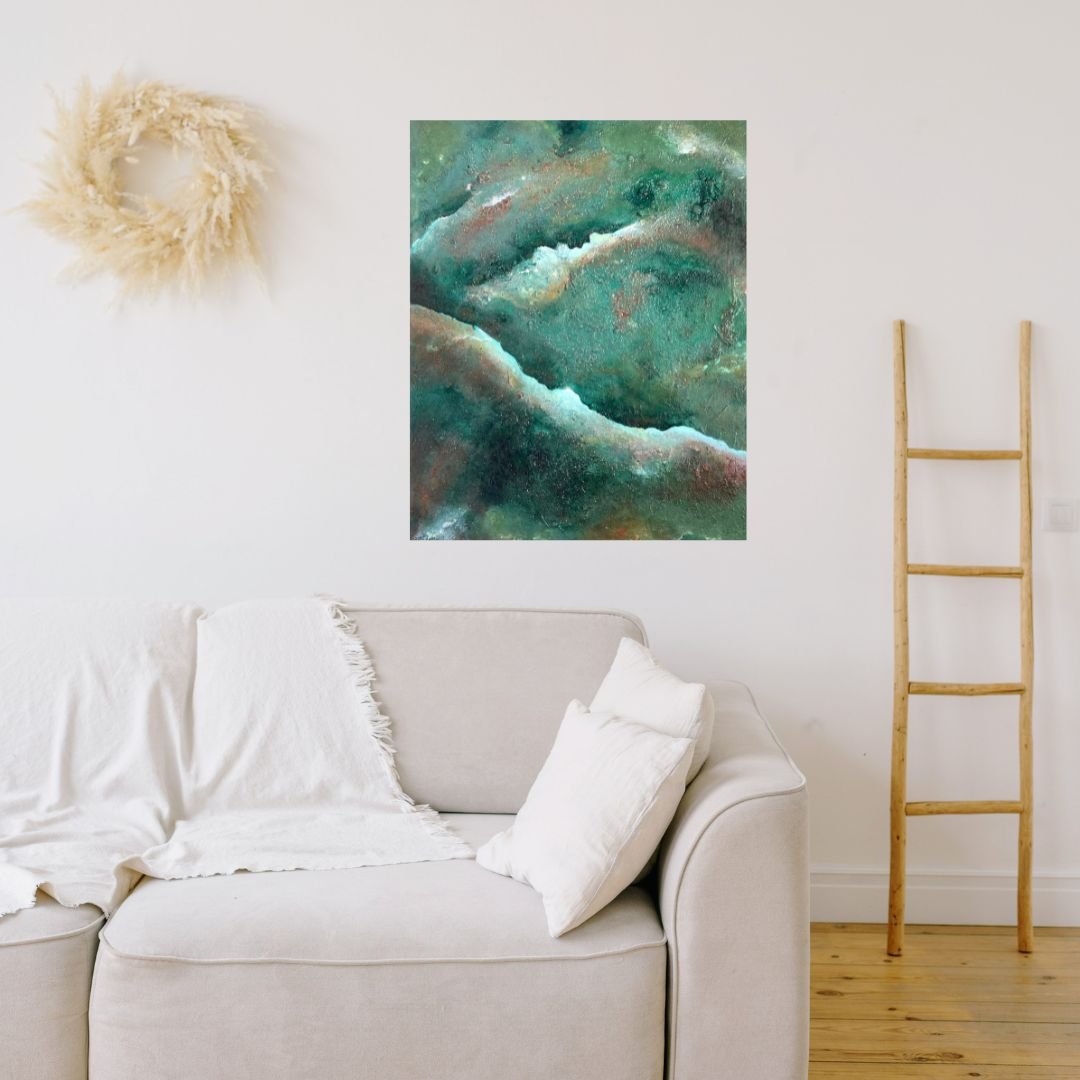
1. It doesn't have to be anything. It can be a shape or not. It can be a feeling or not. It can be a color or not. It doesn't matter. There is true freedom in abstraction. I have times when I really enjoy the details of small leaves on a tree or sketching a portrait in its exactness, but it's just a representation of something that already exists. Isn't it nice not to limit oneself to only what has been seen or done before?
2. It's experimental. A way to try new materials, make mistakes, and see what happens. There are endless things that 'I've always wanted to try' with my art, even if it's things that have already been done, they haven't been done by me. Abstract art is the perfect place to play with ideas and not worry if the outcome is good enough or not.
3. It's messy! Do you remember what it was like as a little kid when you could make a huge mess? It was exhilarating! And as an adult, it still is! Yes, now we might have to clean up our own messes, but that same excitement from when we were 4 years old, making mud pies, can be there when we create messy art. It seems so counterintuitive, but trust me, it's worth your time to make something messy even if you do have to clean it up yourself when you're done.
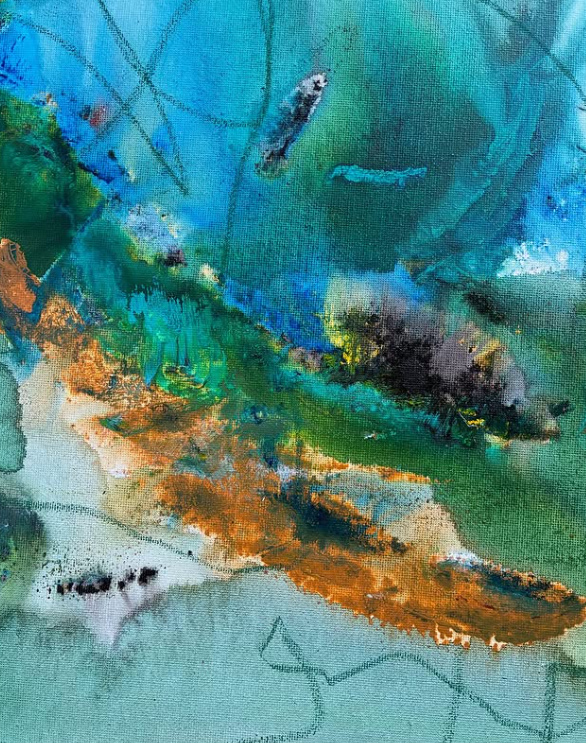
4. It is a stress reliever! This goes along with making a mess. Have you ever considered that maybe kids make messes not just as a way to explore their world, but maybe to deal with the stresses of all the emotions they haven't learned to master yet? So why can't we as adults do the same thing? There are so many studies out there about how creating and making art relieves stress, and trust me, we all have some level of stress to release! So making something abstract, specifically that doesn't have to be anything or hang on the wall later if you don't want it to, is huge for your mental health. Try it, even for just 15 minutes, and then see how you feel when you are done
5. It is a way to release all the emotions of your soul, some that we don't realize are even there. When I've had a slog of a day, and I can't take any more, I will go and make the messiest, ugliest art I can. I will throw down the paint, rip and mash paper shreds everywhere, and smear glue or paint with my hands all over the canvas. If I feel like crying while I do this, I will. Or screaming, or singing-whatever! And after I'm done, I usually feel waves of different emotions roll through me. New thoughts, ideas, sometimes recognition of what I'm actually angry at or something about myself that I realize I need to change. I'm often surprised by the range of emotions I can feel in one painting session, as well as the clarity that comes after moving through all of them.
6. It can be ugly and beautiful at the same time. Sometimes, when I have these 'ugly' painting sessions, the clarity that comes brings meaning to the pieces that ring true to my soul. That process is truly beautiful. People can see that in a good piece of abstract art. They really can! The next time you are viewing something abstract, ask yourself, Where is the beauty here? How could this thing that maybe outwardly appears so unusual actually carry some beauty?
7. It's infinite in its depth and meaning to both you and others. The abstraction part of art is what people can often connect with. When they look at a piece, they can interpret it in their own way. Then it becomes, How do you feel when you look at this? What does it make you think about? Wouldn't you connect more with something when you come to your own conclusions as opposed to someone telling you how a piece should make you feel?
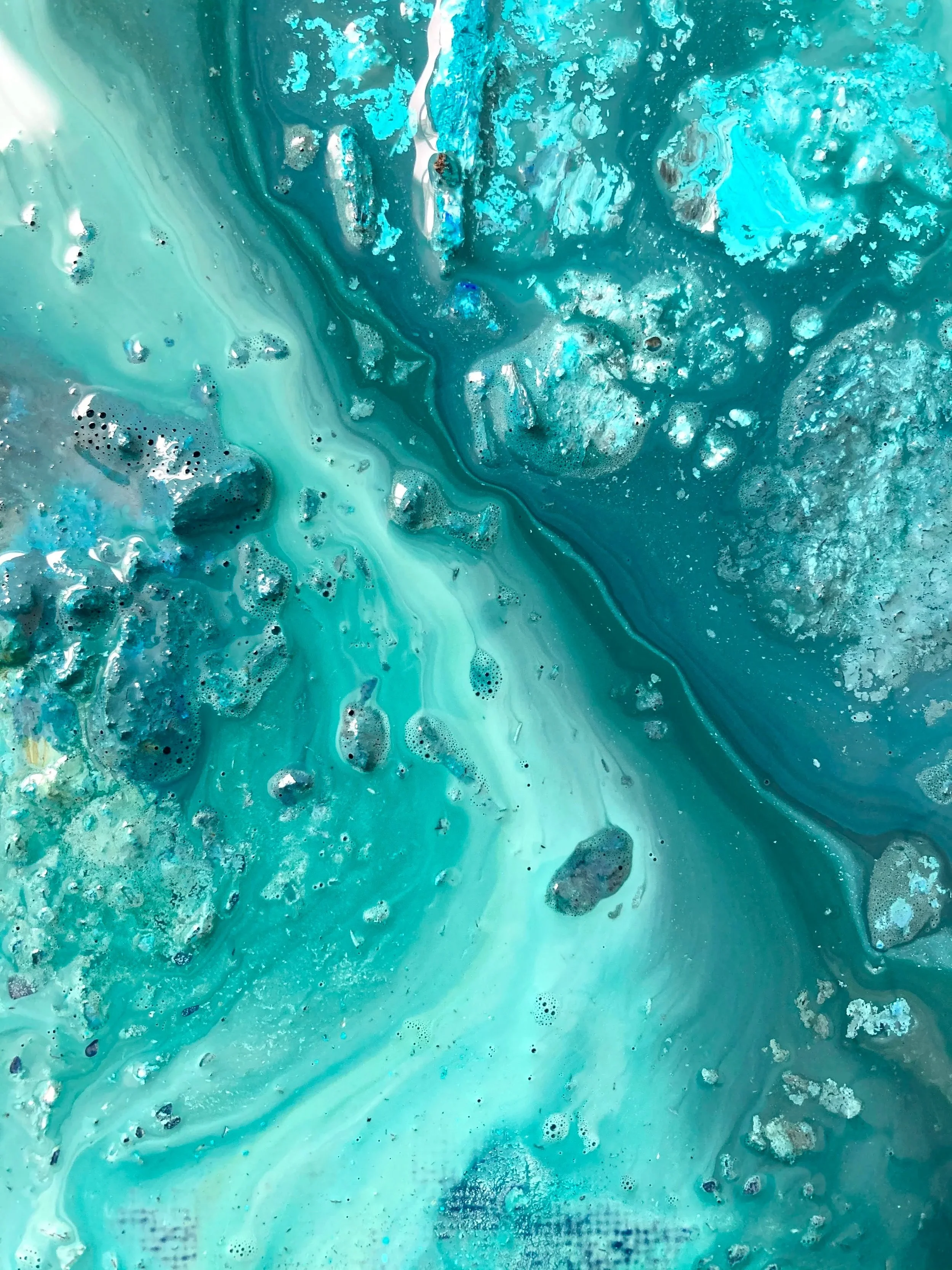
8. It speaks emotions that words cannot express. I think there is a range of emotions that we don't realize we carry or have a language for. Think of your best highs or your worst lows. When you say the phrase, 'words cannot describe...' So why not try painting that out? We are told things like red represents anger or blue makes us feel calm, but could you use those colors in a way that displays the opposite? What values express how you feel? How would you portray an emotion with a texture? All these can be done in stunning ways with abstract pieces.
9. It helps me to be present and grounded. Yes, another mental health plug here! But when I'm making swirls or adding textures to a canvas, sometimes it allows my mind to wander on the events of the day, problems that I might have, or even to just be in the moment and see all the different colors and how they blend. It's time away from my phone, generally, and time to just be in a space and explore the materials right in front of me.
10. It opens doors to questions and deeper, more connected conversations. When you can create something with deep emotions, with strong values, and a variation of materials or colors that isn't recognizable as anything in our natural world, it begs the question of, What is this about? Where does it come from? What does it mean? It is one of my favorite things to go to an art museum with a friend and hear what they think or feel about a piece of art, because 9 out of 10 times, it's not what I'm thinking. That's something to talk about. Abstract art in a home setting does the same thing. People will come and start talking, asking questions, maybe even jokingly debating with each other about its interpretation. It is often more connecting than, say, a photograph of your favorite vacation spot, where you can tell the story to the viewer, and they can only participate by listening.
I hope that this has opened your eyes to a different way of viewing abstract art. Whether you enjoy it or not may not be what matters, but understanding that it has a value and carries a weight to it that is more than people pretending to be artists does matter. It's a different skill set that involves a lot more emotion that one can't always see on the surface. It's refreshing to have a better understanding of something different than what we are used to, that can deepen our perspectives on another's humanity.
